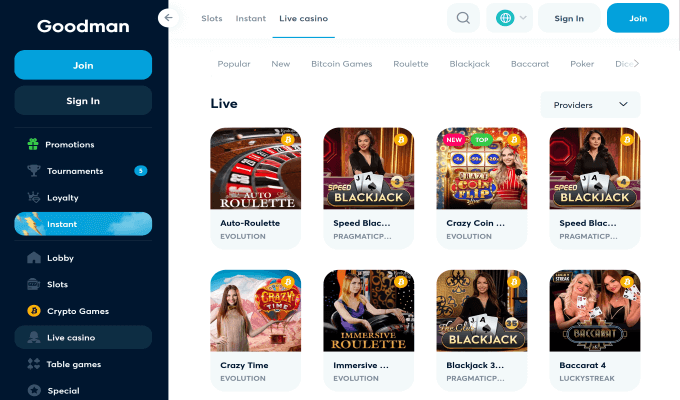
Every game of chance carries an inherent financial risk. At casino good man, the awareness that gambling should stay a form of entertainment, not a way to earn income, forms the foundation of all risk awareness measures. Swiss users function within a strictly regulated market where player protection is mandatory, not optional. The random number generators that run slot machines and table games assure outcomes cannot be anticipated or manipulated. A solid understanding of probability, house edge and the pace of digital play helps individuals choose wisely. This page outlines how to spot early warning indicators, use practical limit-setting tools and reach professional support assistance available across Switzerland without delay or judgment.
Self-Exclusion and Pause Choices
Whenever a break from gambling becomes necessary, Good Man Casino features both temporary cooling-off periods and long-term self-exclusion. A cooling-off suspends the account for a chosen span ranging from 24 hours to several weeks. During this period, the user cannot log in, deposit or receive marketing communications. This tool is appropriate for those who notice early signs of loss of control but are not yet ready for a permanent step. The account automatically reactivates after the set time, giving the individual a chance to reassess their habits without the pressure of immediate access.
For more serious situations, self-exclusion delivers a binding block lasting six months, one year, five years or indefinitely. Good Man Casino is connected to the Swiss national self-exclusion register, which means a self-exclusion request extends across all licensed Swiss online casinos. Once registered, any attempt to open a new account with a Swiss operator will be rejected. The process is irreversible during the exclusion period. To initiate self-exclusion, users can contact customer support directly or use the dedicated function in their account settings. No explanation is required, and the request is treated with complete confidentiality.
How Family and Friends Can Give Support
Watching someone struggle with gambling can be distressing, but approaching the situation with empathy rather than accusation produces a significant difference. The first step is to choose a calm, private moment to express concern using specific, non-judgmental observations, such as noticing late-night phone use or unexplained financial stress. Avoid ultimatums that may push the person further into secrecy. Instead, propose to accompany them to a counseling appointment or help them research self-exclusion options. Good Man Casino’s responsible gambling page includes a dedicated section where concerned relatives can find out about the signs of addiction and find contact details for family support services.
Practical assistance often involves helping to restructure finances temporarily. This might mean setting up a separate account for essential bills, freezing joint credit cards or agreeing on a weekly cash allowance. Family members should also emphasize their own well-being. Gam-Anon meetings and individual therapy provide a space to process feelings of betrayal, anger and fear without burdening the struggling individual. It is important to remember that recovery is a long-term process with possible relapses. Patience, consistent boundaries and professional guidance create the best environment for healing. No one is responsible for another adult’s gambling, but compassionate support can be a powerful catalyst for change.
Support Services and Professional Support in Switzerland
Switzerland runs a solid network of complimentary, private services for individuals dealing by gambling-related harm. Careplay, the Swiss foundation for gambling addiction, runs a 24-hour helpline at 0800 040 080. Trained counselors offer instant assistance in German, French, Italian and English. They can arrange face-to-face consultations in cantonal addiction centers and refer callers with therapists focused on cognitive-behavioral therapy for gambling disorder. The website careplay.ch also provides a live chat service and a library of self-help materials that describe the mechanisms of addiction in plain language.
SOS Spielsucht is another vital resource, offering anonymous online counseling and group therapy sessions in key urban areas including Zurich, Bern, Basel and Geneva. For English-speaking expats and international residents, many cantonal services offer therapy in English upon request. Gamblers Anonymous Switzerland conducts regular meetings in several regions, following the twelve-step model that has assisted countless individuals restore their lives. Family members can access dedicated support through Gam-Anon, which handles the emotional and financial strain that problem gambling places on partners, parents and children. All these services function independently of the gambling industry, ensuring impartial advice.
- Careplay Hotline: 0800 040 080 (24/7, free, multilingual).
- SOS Spielsucht: online counseling and regional group therapy.
- Gamblers Anonymous Switzerland: mutual-aid gatherings in various towns.
- Gam-Anon: help for family members and friends.
- Cantonal addiction centers: direct therapeutic sessions funded by health insurance.
Comprehending the Primary Risks of Gambling
Gambling products are structured with a mathematical benefit for the operator. In roulette, the inclusion of the zero gives the house an edge of around 2.7 percent, while slot machines often have a return-to-player percentage below 97 percent over millions of spins. These percentages do not represent short sessions; a player can lose a substantial amount in minutes. The perception of near-misses and intermittent wins triggers dopamine release, which can render the activity feel rewarding even when the balance declines. Good Man Casino urges every user to consider gambling as a paid leisure activity, similar to buying a concert ticket, where the cost is the price of the experience and any win is a bonus.
Digital accessibility amplifies risk because a session can begin within seconds on a mobile device. Without physical cash changing hands, the psychological distance from real money decreases. Chasing losses becomes more tempting when a deposit button is always visible. Swiss regulations oblige operators to display session time and net loss information, but personal vigilance remains crucial. Acknowledging that the longer someone plays, the more the house edge accumulates, helps users set realistic expectations. No betting system can overcome the built-in mathematical disadvantage, and believing otherwise can lead to prolonged and harmful gambling patterns.
FAQ
What’s the lowest self-exclusion term at Good Man Casino?
The briefest self-exclusion term available is six months. Once triggered, the block may not lifted until the picked term ends. This duration matches Swiss regulatory requirements and provides individuals adequate time apart from gambling to overcome harmful patterns and look for support if necessary.
Am I able to set distinct limits for various game kinds?
Good Man Casino enforces limits at the account tier rather than per game category. A single deposit limit includes all slots, table games and live dealer offerings. This unified approach simplifies budget handling and prevents the illusion that moving to a another game reduces overall financial vulnerability.
How does the Swiss national self-exclusion register function? curia.europa.eu
The register is a centralized system administered by Swiss regulators. When a player self-excludes through Good Man Casino, their details are included to the register, blocking access to all licensed Swiss online casinos. Land-based casinos in Switzerland also consult the register, creating a comprehensive safety network.
Do my responsible gambling settings viewable to other users?
Absolutely not. All limit configurations, self-exclusion status settings and reality check settings are stored securely and are not shared with other members or shown on public profiles. Only approved personnel responsible for compliance oversight can access these options, and they are subject to strict data protection regulations.
What occurs to my account funds if I self-exclude?
Any outstanding real money amount is refunded to the registered payment option as soon as the self-exclusion is executed. Bonus funds and unfinished wagering conditions are lost. The payout is handled without manual intervention, and the user gets a confirmation notification once the transfer is done.
Is it possible to restore my account after a cooling-off period ends?
Certainly. A cooling-off is a short-term break with a set end time. Once that day elapses, the account reactivates on its own. Users may log in and continue playing, though they are encouraged to reassess their limits and consider whether a additional break or indefinite self-exclusion would be more beneficial.
At which location can I find free gambling addiction counseling in Switzerland?
Careplay offers a free 24-hour hotline at 0800 040 080 with counselors communicating in German, French, Italian and English. SOS Spielsucht provides online therapy and group treatment. Cantonal addiction centers also offer free or insurance-covered face-to-face therapy across all Swiss cantons.
Setting Personal Limits Before Playing
Good Man Casino offers a collection of adjustable limit tools that all Swiss user ought to configure before depositing. Deposit limits limit the sum of money that may be transferred into the account over a defined period, such as daily, weekly or monthly. Loss limits limit the net amount that could be lost in a session or timeframe, preventing a spiral of recovery attempts. Wagering limits manage the total sum of bets placed, which is especially useful since a moderate deposit can still generate high turnover that increases losses. Session time limits instantly log the player out after a preset duration, breaking the immersive loop that may blur hours into minutes.
Establishing these limits demands honest self-assessment of disposable income and free time. A practical starting point means selecting an entertainment budget similar to a dinner out or a cinema visit, and then configure the deposit limit slightly below that figure. Good Man Casino handles limit reductions immediately, while requests to increase or remove limits include a cooling-off delay, typically 24 hours or more, to discourage impulsive decisions. This asymmetry is a calculated safeguard. Users are recommended to review their limits monthly, adjusting them downward if financial circumstances change. The goal is to maintain gambling small, contained and free from interference with essential expenses like rent, bills and savings.
- Deposit limits: cap the total funds added to the account per day, week or month.
- Loss limits: constrain the net amount that could be lost in a selected period.
- Wagering limits: regulate the total value of bets placed, independent of deposits.
- Session time limits: enforce an automatic logout after a chosen number of minutes.
- Reality checks: pop-up reminders displaying elapsed time and net result at intervals.
Tools for More Responsible Play at Good Man Casino
Aside from limits and self-exclusion, Good Man Casino incorporates several features that promote mindful gambling. Reality check pop-ups appear at intervals selected by the user, displaying the current session duration, net win or loss, and the amount wagered. These interruptions are designed to break the trance-like state that can occur during extended play. The account history dashboard delivers a transparent view of all deposits, withdrawals, bets and results over any selected period, keeping it easy to track spending patterns without relying on memory. Users can also set a maximum bet size per spin or hand to stop impulsive stake increases after a losing streak.
The platform features a self-assessment questionnaire taken from internationally recognized screening tools. Completing it needs less than five minutes and creates a personalized risk profile with actionable recommendations. Users who score in the elevated-risk range receive gentle prompts to consider limit adjustments or a cooling-off period. Additionally, Good Man Casino guarantees that all promotional communications include clear responsible gambling messaging and a direct link to the self-exclusion page. Marketing materials never target individuals who have self-excluded or those exhibiting signs of excessive play, in compliance with Swiss Federal Gaming Board directives.
Recognizing Problem Gambling Behaviors
Problem gambling hardly ever emerges overnight. It evolves through subtle shifts in conduct that those close to you may detect before the person does. Common signs encompass spending more funds and hours than intended, covering up gambling activity from loved ones, taking out money to bet or settle debts linked to gambling, and experiencing irritable or restless when struggling to reduce. Another red flag is pursuing losses, the ongoing belief that a big win is near and will fix all financial damage. When gambling stops being a decision and starts feeling like a compulsion, professional support should be accessed immediately.
Good Man Casino recommends users to undergo a short self-assessment if any of these indicators apply. The Problem Gambling Severity Index (PGSI) is a established screening tool accessible through Swiss addiction services. Questions explore preoccupation, tolerance, withdrawal and financial consequences. Answering honestly can provide a accurate picture of risk level. Even a score in the moderate-risk category calls for a discussion with a specialist. The sooner intervention happens, the more favorable the outcomes. Gambling disorder is a acknowledged mental health condition, not a moral failing, and proven treatments can be found across Switzerland.
- Spending more time or money on gambling than initially intended.
- Being dishonest to family members or workmates about gambling activity.
- Borrowing money, parting with possessions or ignoring bills to support gambling.
- Feeling anxious, guilty or depressed after a gambling session.
- Consistently trying and being unable to cut back gambling.
- Betting to escape stress, loneliness or other emotional pain.
- Suffering relationship breakdowns or work problems associated with gambling.
Leave a Reply